


Blog
The quiet workof becoming.
Thoughts on goal setting, habit building, and the quiet work of becoming who you want to be.

August 22, 2026
·9 min read
Why Your Goal Got Boring, and What That Means
Boredom is not laziness in a costume. It is a signal with two causes, and which one you have decides whether to change the task or change the goal.
Boredom comes from two separate mismatches, one in attention and one in meaning, and each one produces it independently of the other

August 15, 2026
·9 min read
Do Group Goals Work? It Depends What You Aim At
Group goals reliably lift group performance. But the personal goal you carry inside the group can help enormously or wreck the whole thing.
Inside an interdependent group, personal goals aimed at your own performance hurt the group result, while goals aimed at your contribution to it help

August 8, 2026
·9 min read
End of History Illusion: Why You Think You're Done Changing
At every age, people say they changed a lot last decade and will barely change in the next. The end of history illusion, and what it costs your plans.
People at every age say they changed a great deal in the past decade and will change relatively little in the next one

August 1, 2026
·9 min read
Want Motivation? Give Advice Instead of Taking It
Stuck on a goal? Experiments show that giving advice to someone a step behind you raises your own motivation more than receiving advice from an expert.
Struggling students who gave motivational advice to younger kids did more homework the next month than students who received advice from expert teachers

July 25, 2026
·10 min read
The Peak-End Rule: Why Endings Shape What You Remember
The peak-end rule: we remember an experience by its hardest moment and how it ends, not its average or its length. Why finishing a goal well matters.
A gentler final stretch can make an entire ordeal feel worth repeating. How you close a goal is most of what you will remember of it

July 18, 2026
·9 min read
The Köhler Effect: Why the Weak Link Tries Harder
Social loafing makes people slack off in groups. The Köhler effect is its opposite: being the weaker member can make you push harder, not less.
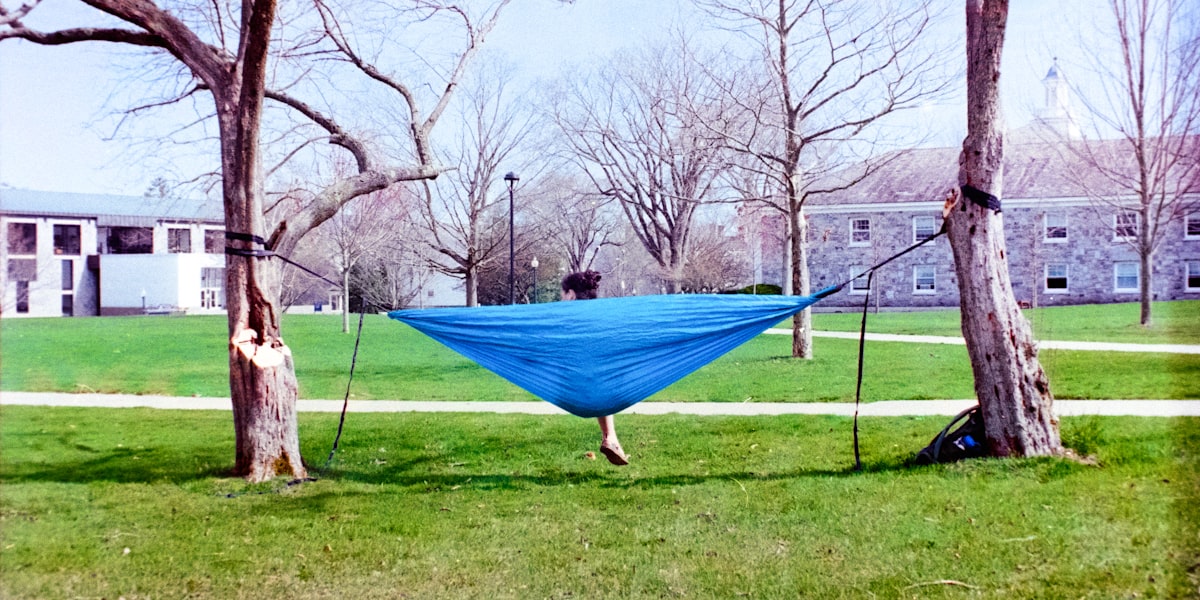
When your effort actually counts toward a group and you are the weaker member, you tend to work harder, not less - the opposite of social loafing
July 4, 2026
·10 min read
The Busyness Trap: Looking Busy vs Real Progress
The busyness trap explained: why looking busy became a status symbol, what the research shows, and how to measure real progress instead of a full calendar.
Being busy signals status, but a signal is not the same as progress

June 27, 2026
·10 min read
Goal Contagion: Why You Catch Goals From Those Around You
Merely perceiving someone pursue a goal can switch that goal on in you. The science of goal contagion, and why your circle shapes what you strive for.
Simply perceiving someone pursue a goal can activate that goal in you, and you then chase it in your own way

June 20, 2026
·10 min read
How to Break a Bad Habit When Willpower Fails
Willpower keeps failing because a habit fires before you decide. Here is how to break a bad habit by going after the cue, not the craving.
In a cinema, strong-habit eaters ate stale popcorn as readily as fresh; move the same popcorn out of that context and eating tracked freshness again (Neal, Wood, Wu & Kurlander, 2011)

June 13, 2026
·10 min read
Is Willpower a Limited Resource? The Science Is Split
Is willpower a limited resource? Ego depletion's famous radish study, two large replication failures, and why your belief about willpower may matter more.
Two preregistered replications with nearly 5,700 people between them went looking for the willpower tank and could not find it.